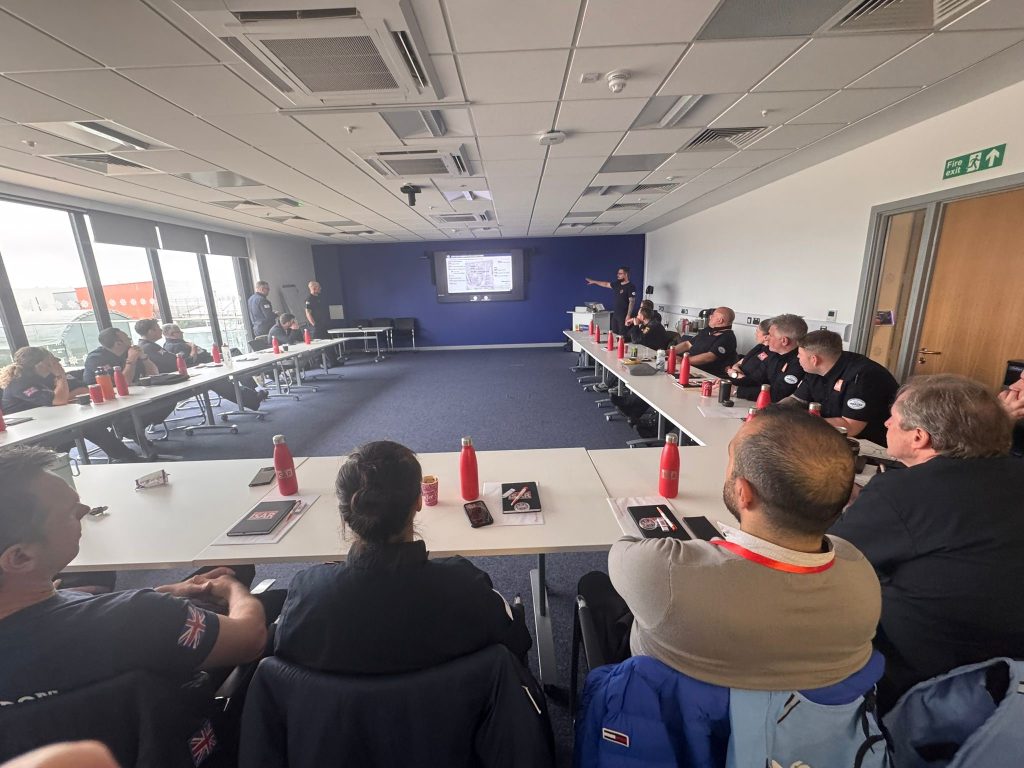
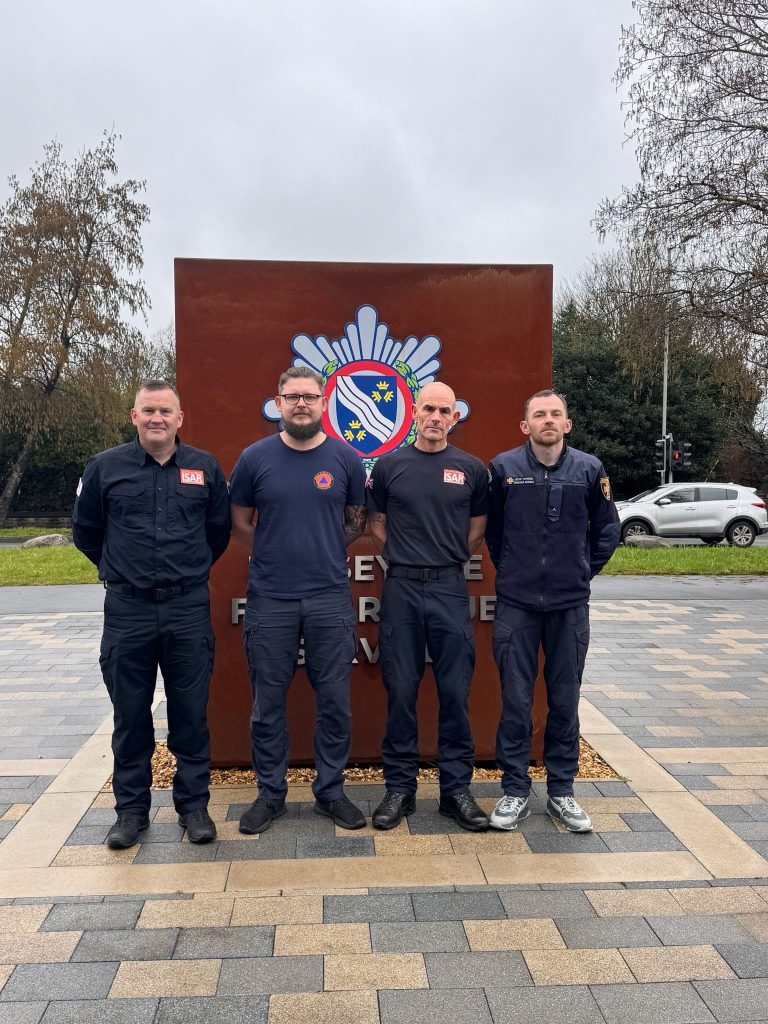
In March 2026, UK International Search and Rescue (UK ISAR), supported and funded by the Foreign, Commonwealth & Development Office (FCDO), hosted a Urban Coordination Cell (UCC) course at the Merseyside Fire and Rescue Service Training and Development Academy.
The course, known as the Urban Coordination Cell course, brought together operational teams and specialist personnel from across Europe and beyond. Participating countries included the United Kingdom, the Netherlands, Ukraine, and Spain, alongside representatives from UNDAC (United Nations Disaster Assessment and Coordination) and SARAID (Search and Rescue Assistance in Disasters). The training provided a valuable platform for multi-agency collaboration, knowledge exchange, and the strengthening of international response capabilities.
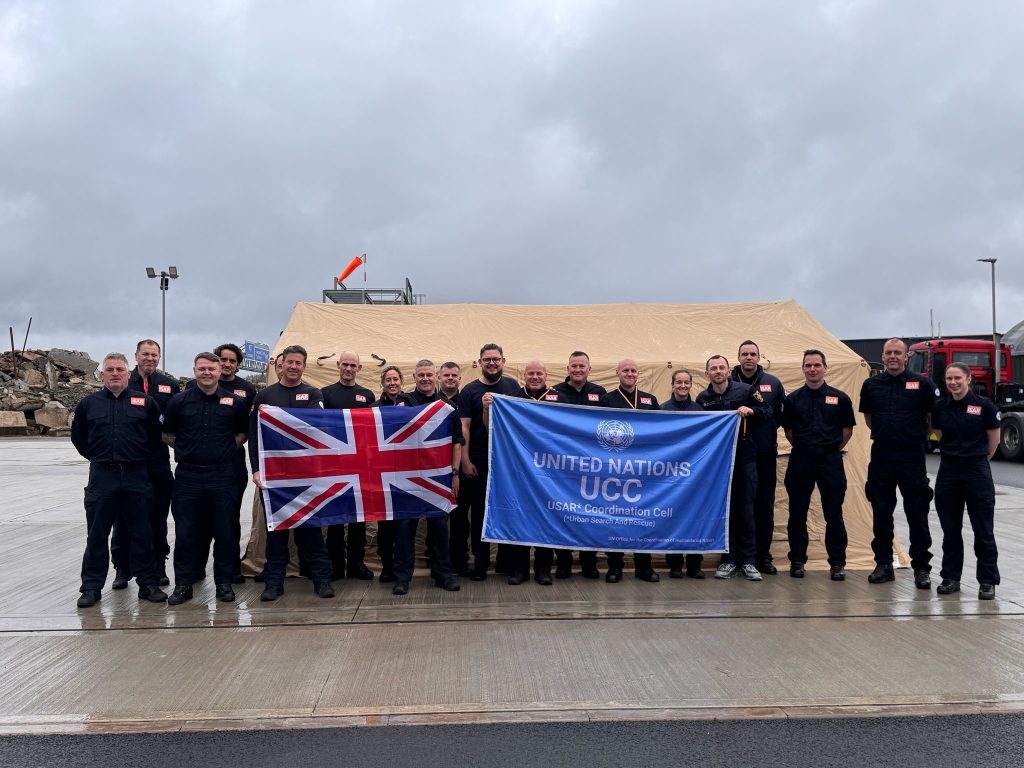
The primary aim of the UCC course was to develop knowledge and understanding of how to effectively establish and operate an Urban Coordination Cell within a complex emergency response environment.
Throughout the exercise, participants worked collaboratively to establish and manage a Reception/Departure Centre (RDC) while operating a fully functional Urban Coordination Cell. The training placed a strong emphasis on delivering regular Virtual OSOCC (VO) updates and participating in Local Emergency Management Authority (LEMA) meetings, ensuring alignment with wider strategic coordination.
Attendees also developed their understanding of the Incident Command Management System (ICMS) structure, applying it in a practical setting to allocate and manage UCC team roles and assignments. Sector management across operational areas formed a key component of the exercise, supported by a focus on maintaining effective communication within the UCC. Participants further explored the systems and procedures required to ensure coordinated and efficient operations in line with international standards.
The exercise highlighted the importance of interoperability between international USAR teams, particularly in high-pressure, multi-agency disaster scenarios. Participants gained valuable hands-on experience in coordination, communication, and decision-making within a realistic and dynamic training environment.
By bringing together a diverse range of responders, the event reinforced shared operational practices and strengthened professional relationships between partner organisations. The inclusion of international coordination bodies further enhanced the strategic value of the training.
Merseyside Fire and Rescue Service, supported by UK ISAR, continues to play a key role in strengthening national and international resilience through high-quality training and development. The success of the March 2026 UCC course reflects the commitment of all participating teams to continuous improvement, collaboration, and excellence in emergency response.