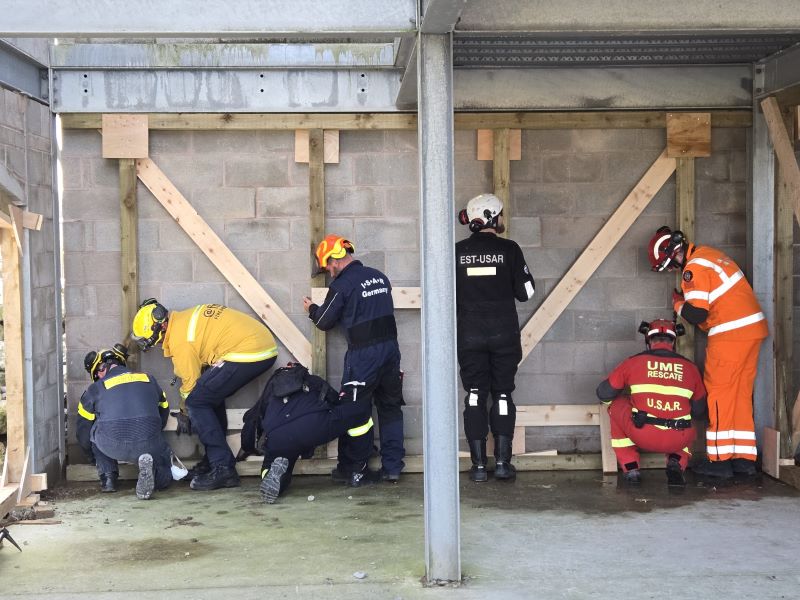
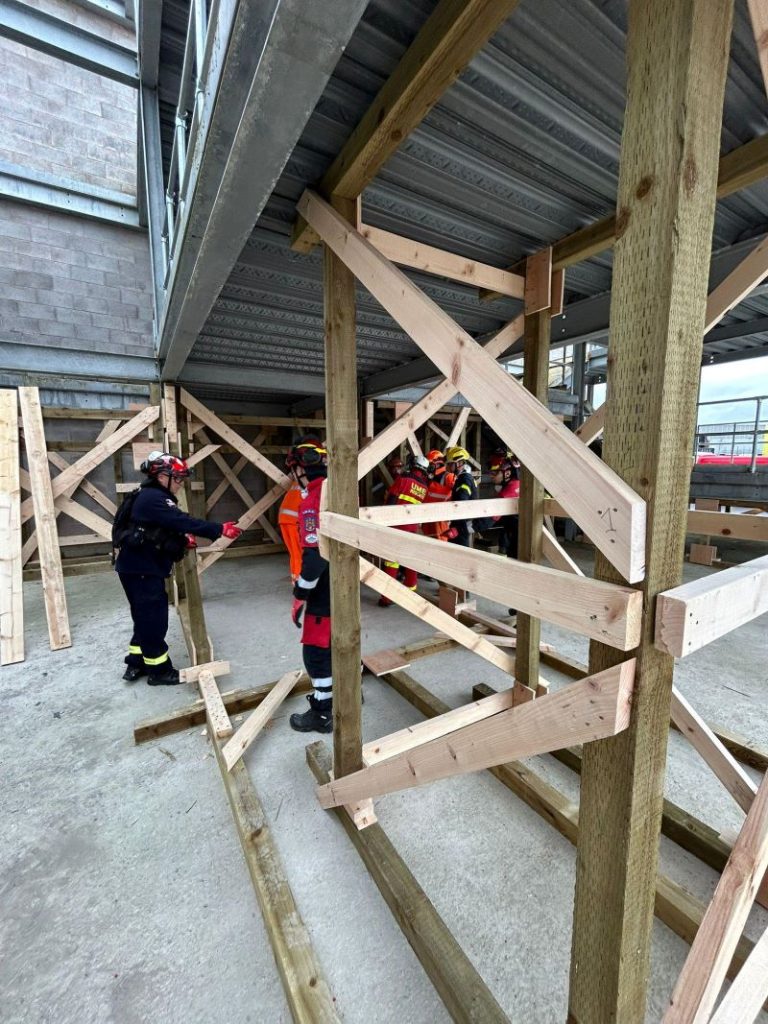
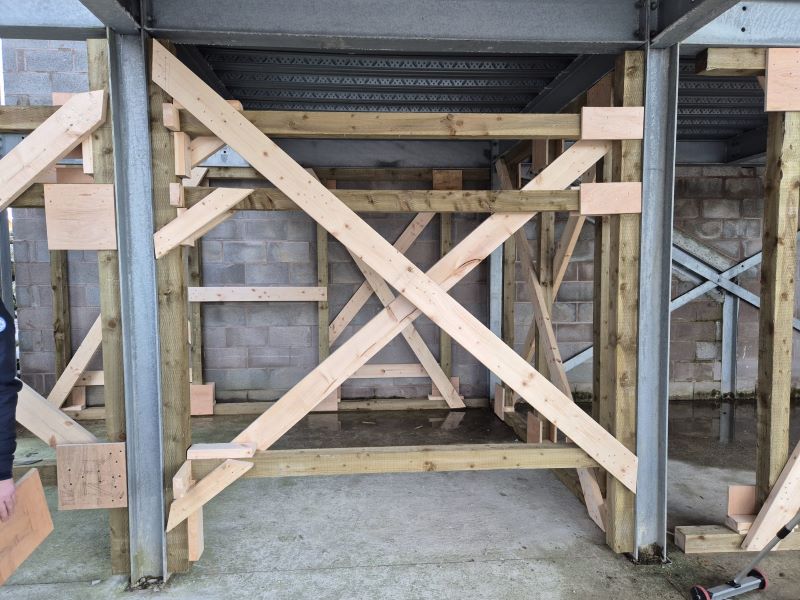
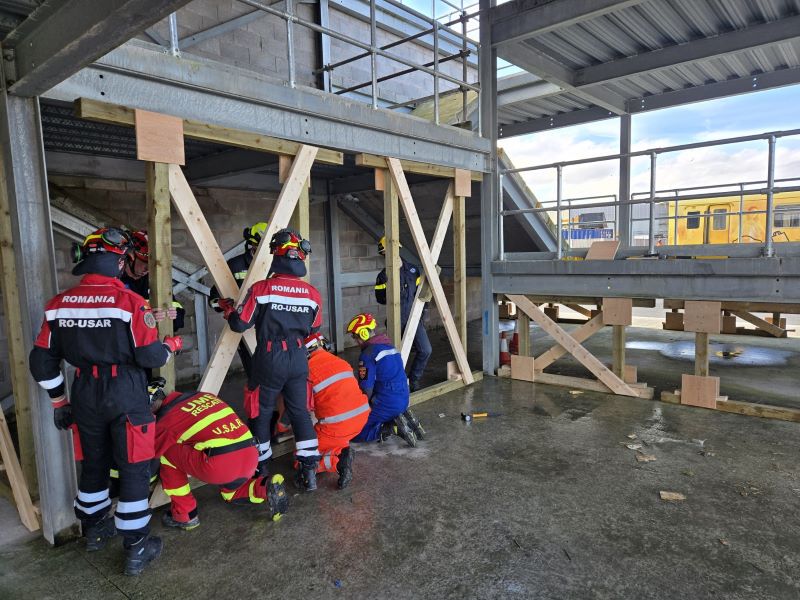
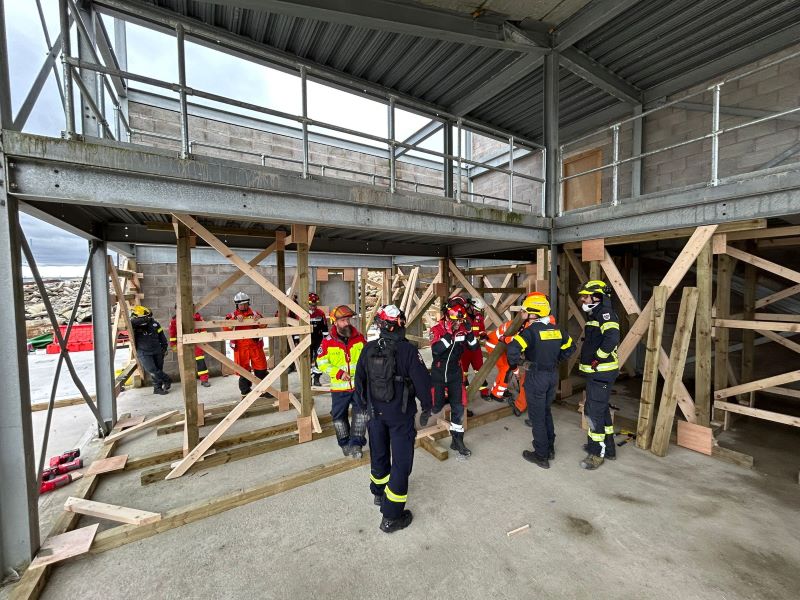
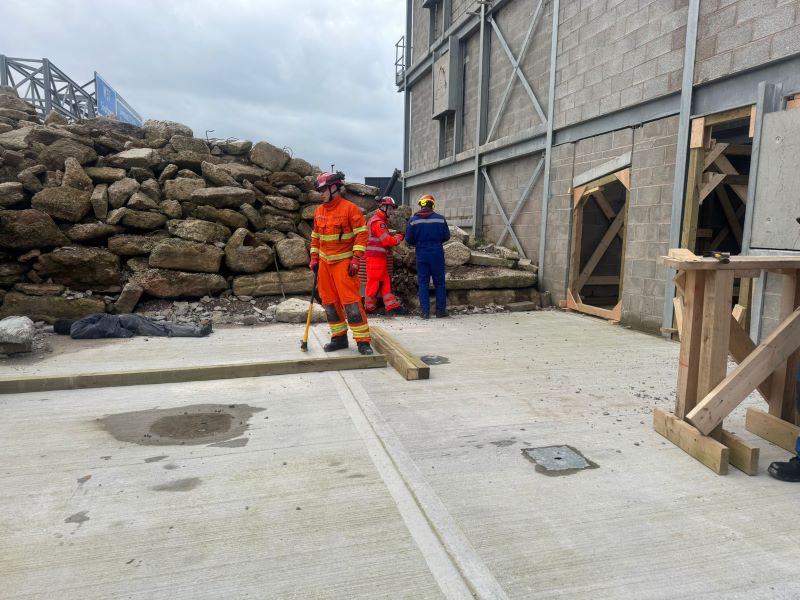
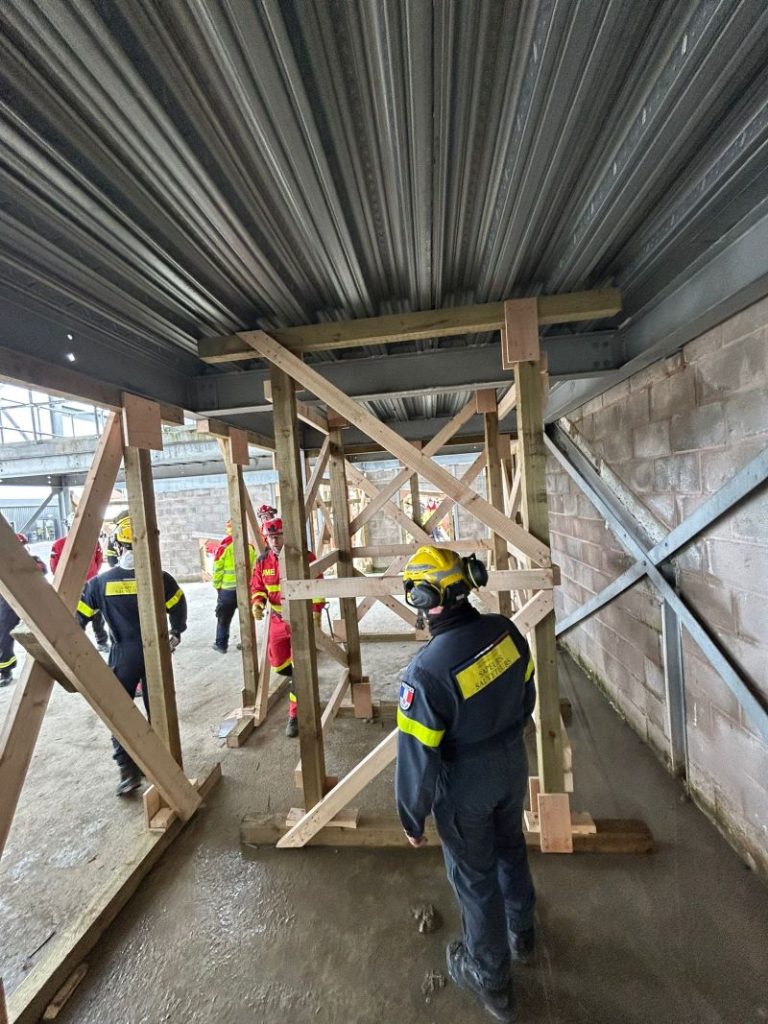
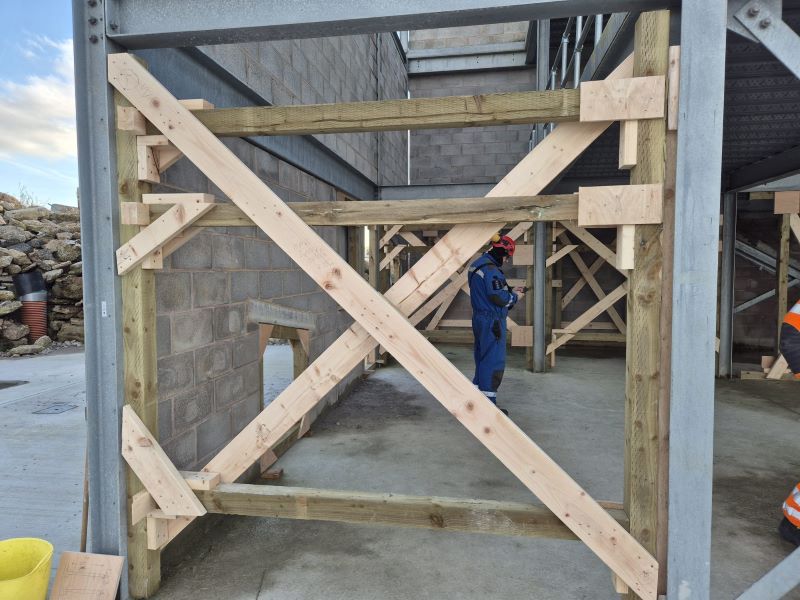
In February 2026, UK ISAR hosted the International Timber Shoring Course at Merseyside Fire & Rescue Service Training & Development Academy, welcoming rescue professionals from across Europe and beyond for an intensive and highly practical week of training.
The course was delivered in line with the methodology of the International Search and Rescue Advisory Group (INSARAG), ensuring that all instruction reflected internationally recognised standards for urban search and rescue operations.
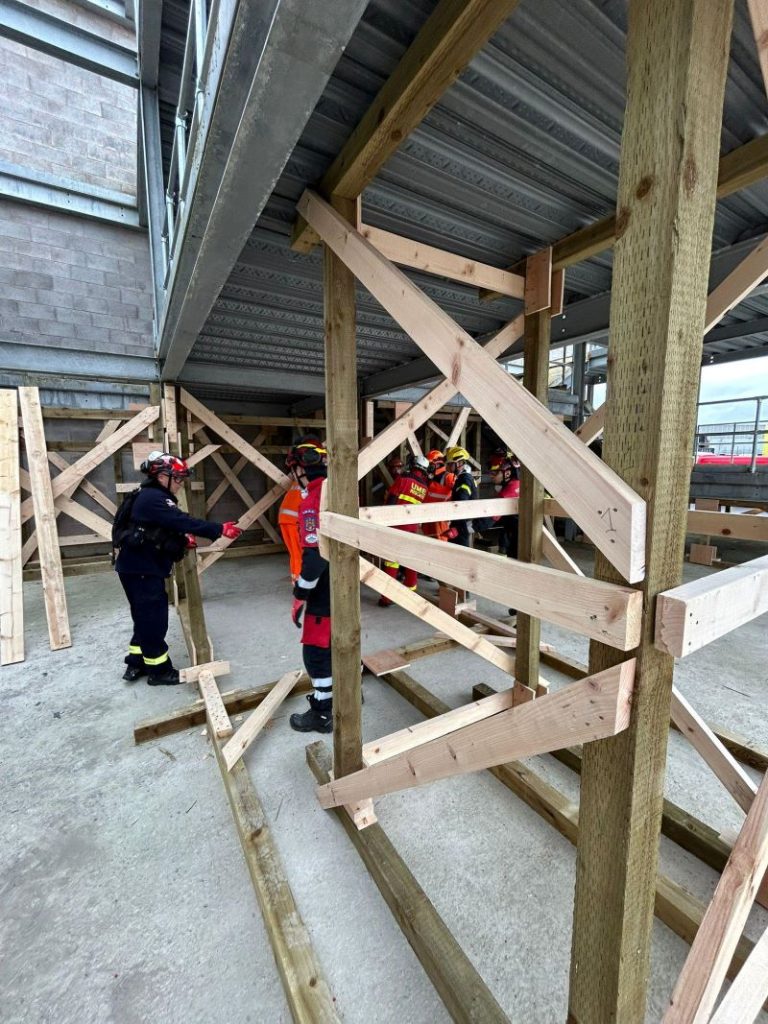
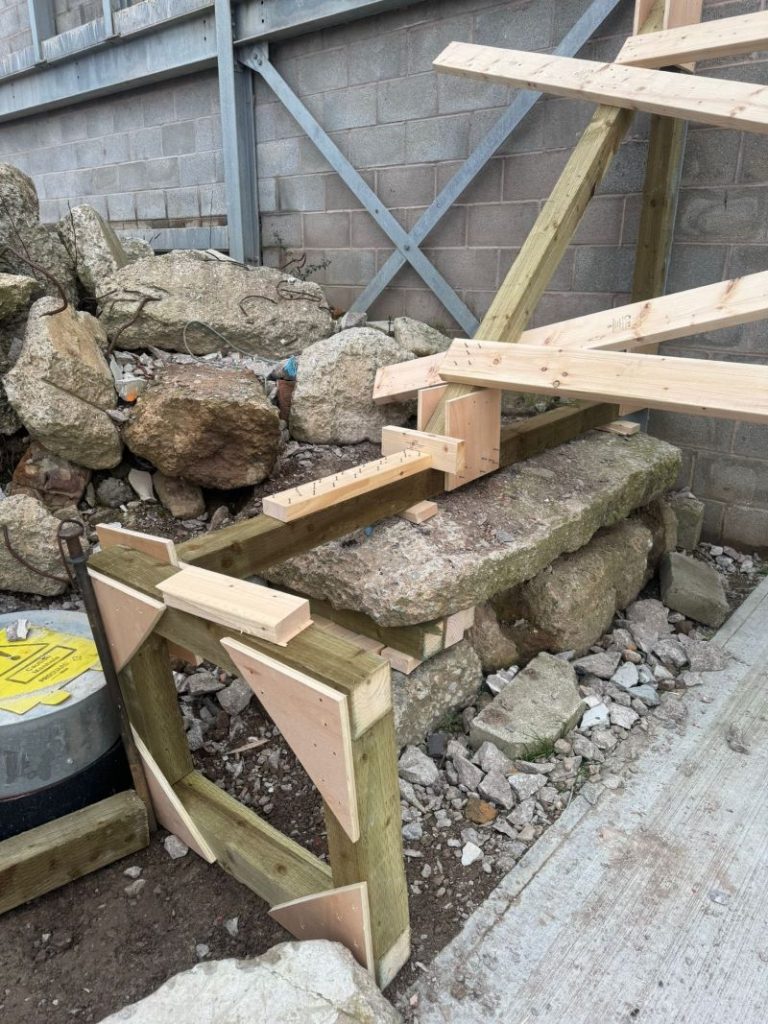
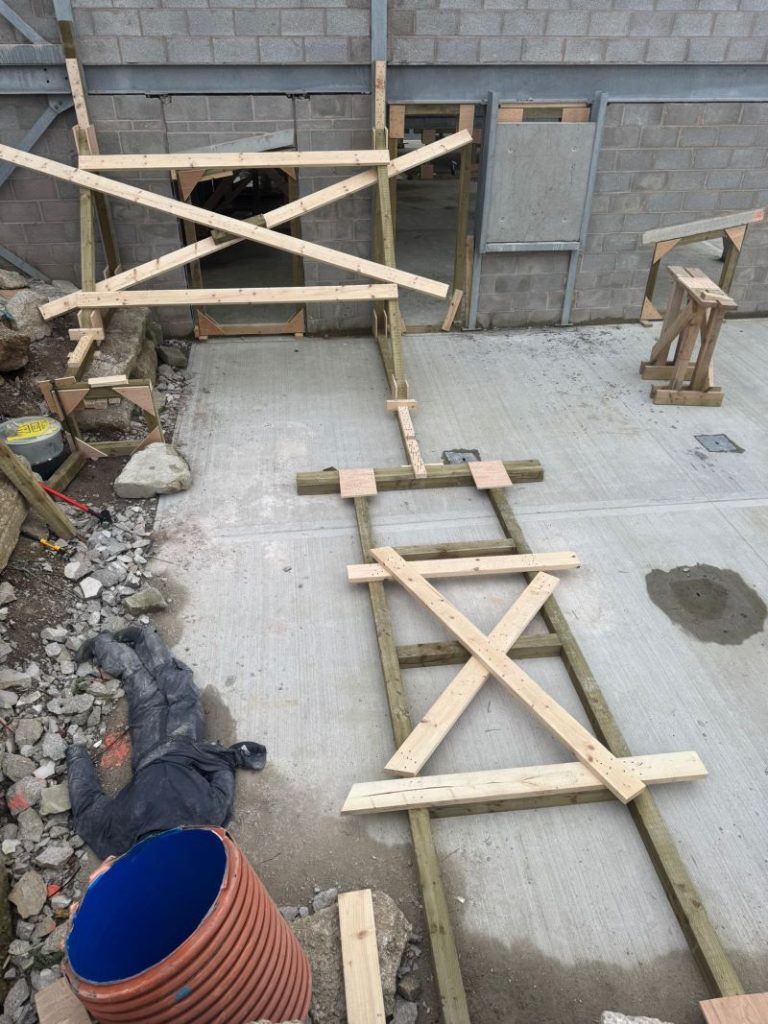
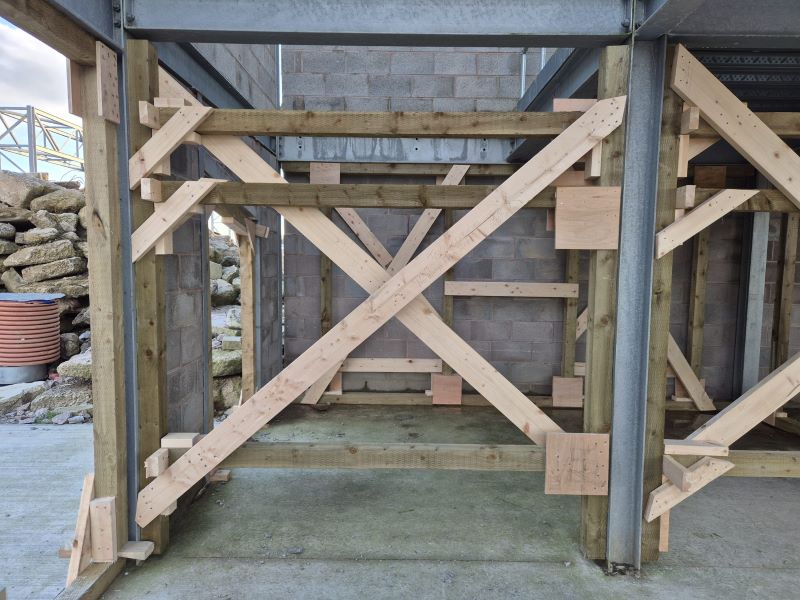
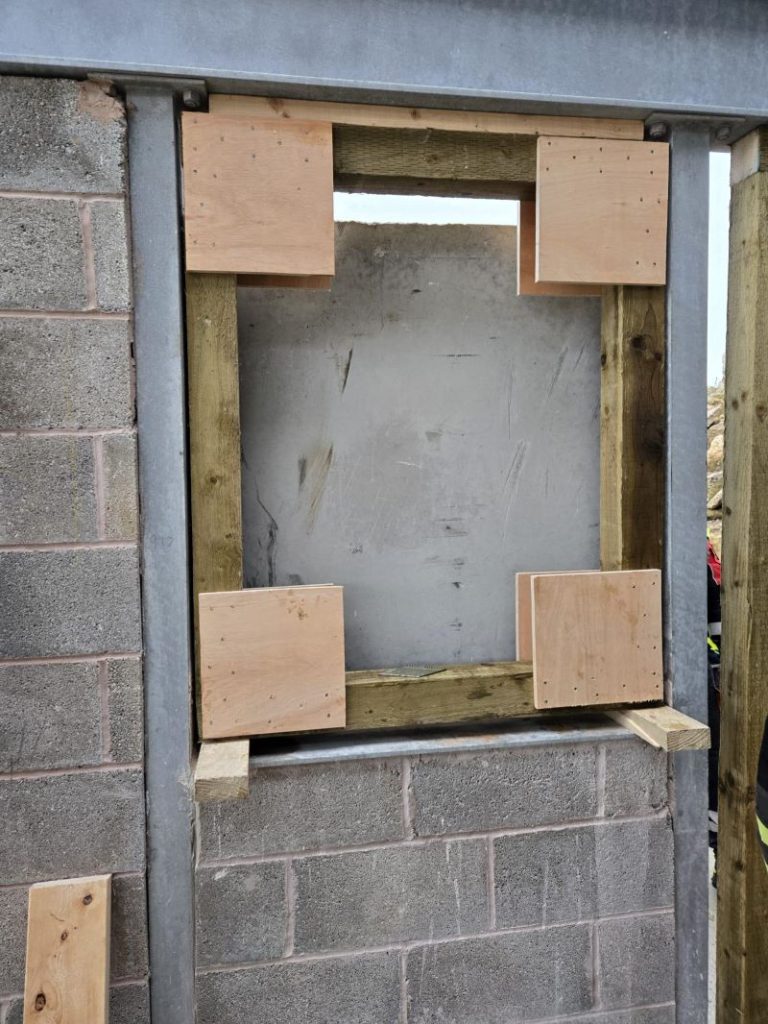
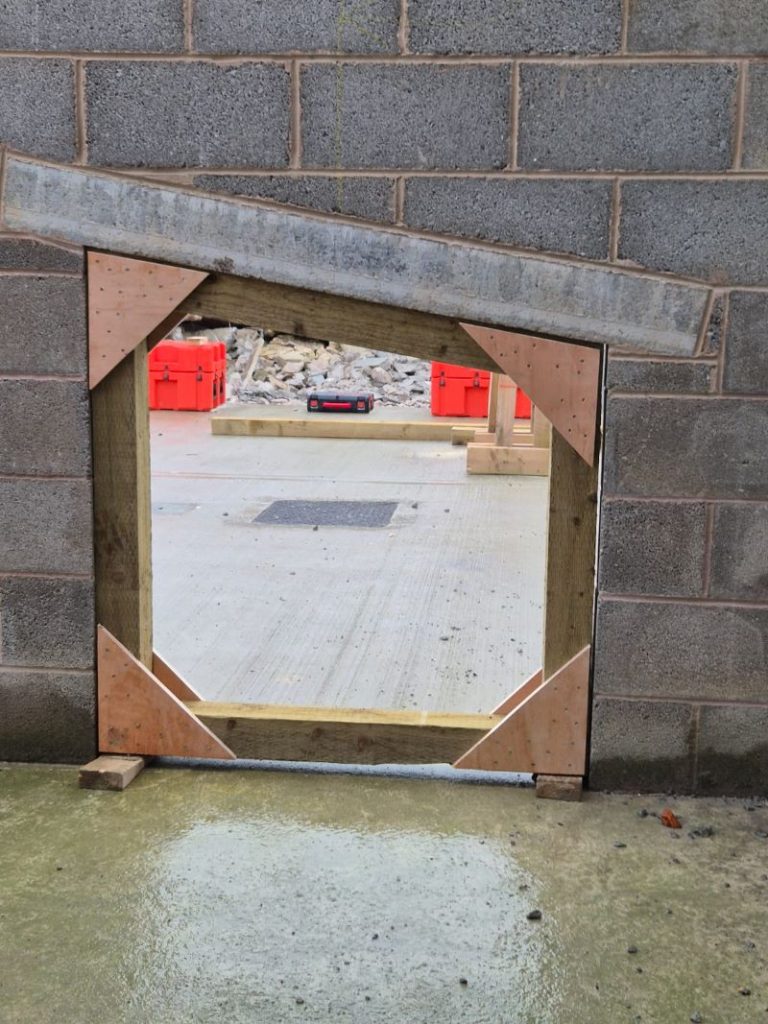
The week began with introductions, site familiarisation and a comprehensive safety briefing, setting the tone for a programme built around professionalism and operational discipline. Delegates were introduced to the fundamental principles of timber shoring, exploring load paths, structural behaviour and the theory that underpins safe stabilisation in collapsed or compromised structures. From this foundation, the training quickly moved into practical application, with hands-on sessions covering window and door shores and a full familiarisation with equipment and tools.
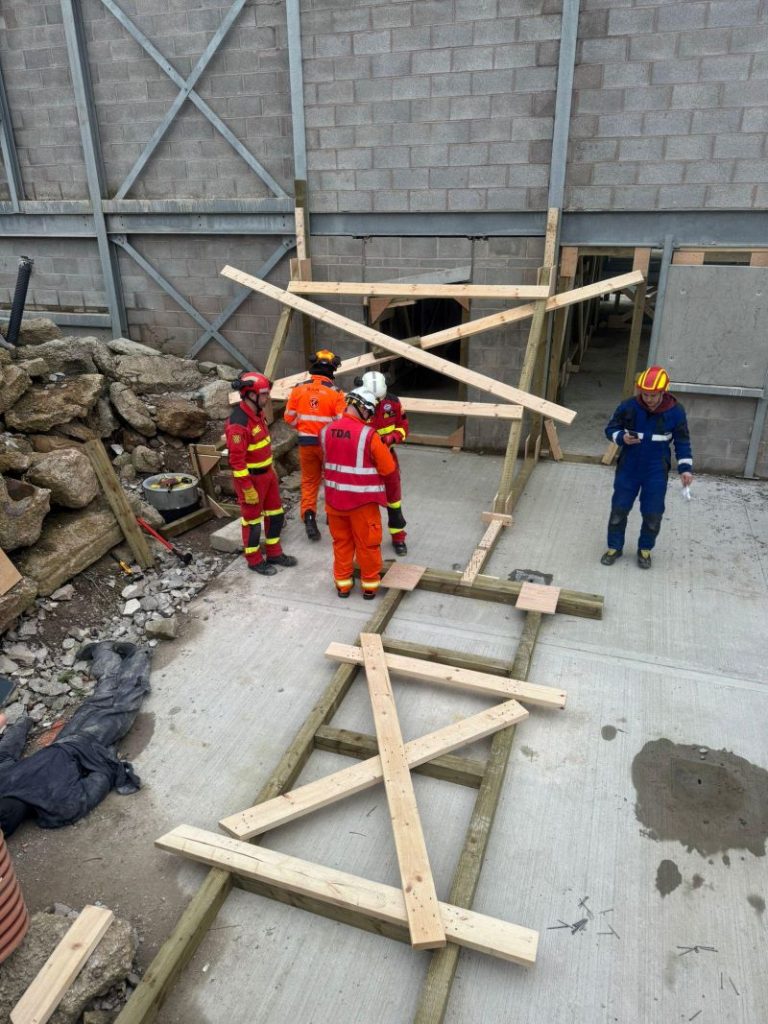
As the course progressed, participants developed their capability in vertical and horizontal shoring systems, working through increasingly complex scenarios designed to replicate real-world structural collapse environments. Each morning opened with a question-and-answer session, allowing delegates to revisit key learning points and deepen their understanding before moving forward. The collaborative atmosphere encouraged the sharing of operational experience, strengthening not only individual competence but collective knowledge.
Midweek training focused on lace post shores and raker systems, with extensive practical sessions that challenged teams to plan, construct and evaluate their work under realistic conditions. Attention was given not only to technical accuracy but also to communication, team coordination and safety management. Later sessions introduced bespoke shoring solutions, requiring participants to adapt standard techniques to non-standard problems, reflecting the unpredictable nature of disaster environments.
The final phase of the course addressed shoring in flooded environments, highlighting the additional hazards and considerations associated with water-damaged structures. The programme concluded with equipment make-up and a full recap of the week, reinforcing key principles and ensuring that delegates left with both confidence and clarity in their operational approach.
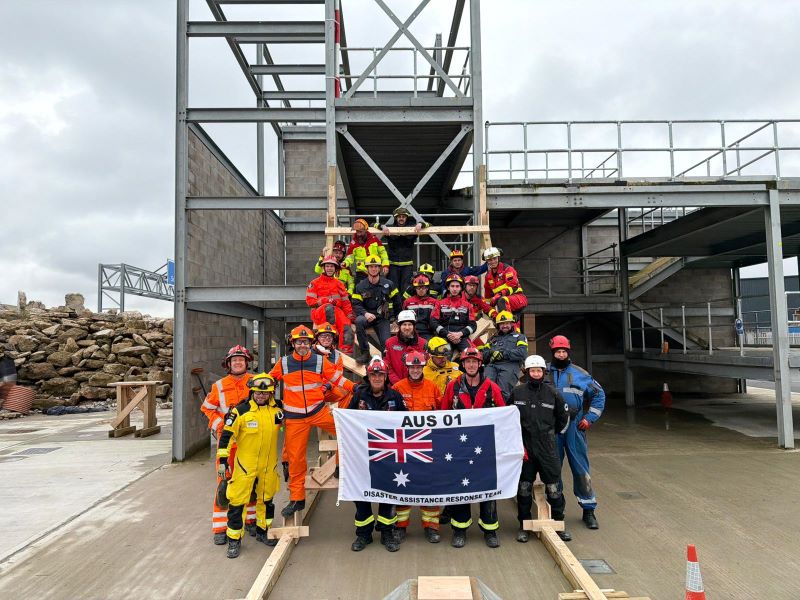
This course brought together representatives from Ukraine, Spain, Australia, Estonia, France, Germany, Austria, the Netherlands, Romania and the United Kingdom. The diversity of operational backgrounds enriched discussion throughout the week and reinforced the importance of international cooperation. Training together strengthens interoperability, ensuring that when international teams deploy under INSARAG coordination, they operate with shared understanding and compatible techniques.
The February 2026 course once again demonstrated the value of joint training, professional exchange and commitment to continual improvement. By investing in shared standards and practical collaboration, the global search and rescue community continues to enhance its readiness to respond effectively wherever it is needed.